


my journey with dyslexia
As a child with dyslexia, I often felt “less than” in the classroom. Reading aloud made my stomach flip. Tests and exams felt impossible to prepare for. I struggled to find words, remember information, spell, and structure sentences. Learning didn’t feel like something that came easily for me, as it did for my friends – it felt out of reach.
That experience is what set me on the path I’m on today. I teach and assess children with learning differences because I want them to have a very different experience from mine: to understand how they learn, to feel seen and supported, and to know that their brain is not “wrong” – it’s just different.
My mission is to help your child reconnect with their naturally inquisitive mind and to give you the guidance you need to best support your child. These are the foundations to reigniting your child’s love of learning. That’s why I work with both children and parents to simplify things when learning feels overwhelming: whether your child is refusing to read or write, struggling after a new diagnosis, or has lost confidence and switched off from schoolwork altogether.
I absolutely love my work. My approach is supportive, encouraging, and enthusiastic. When a child realises they can do something they’d previously lost confidence in, I can see the shift straightaway. Watching that light switch back on never stops being magical!
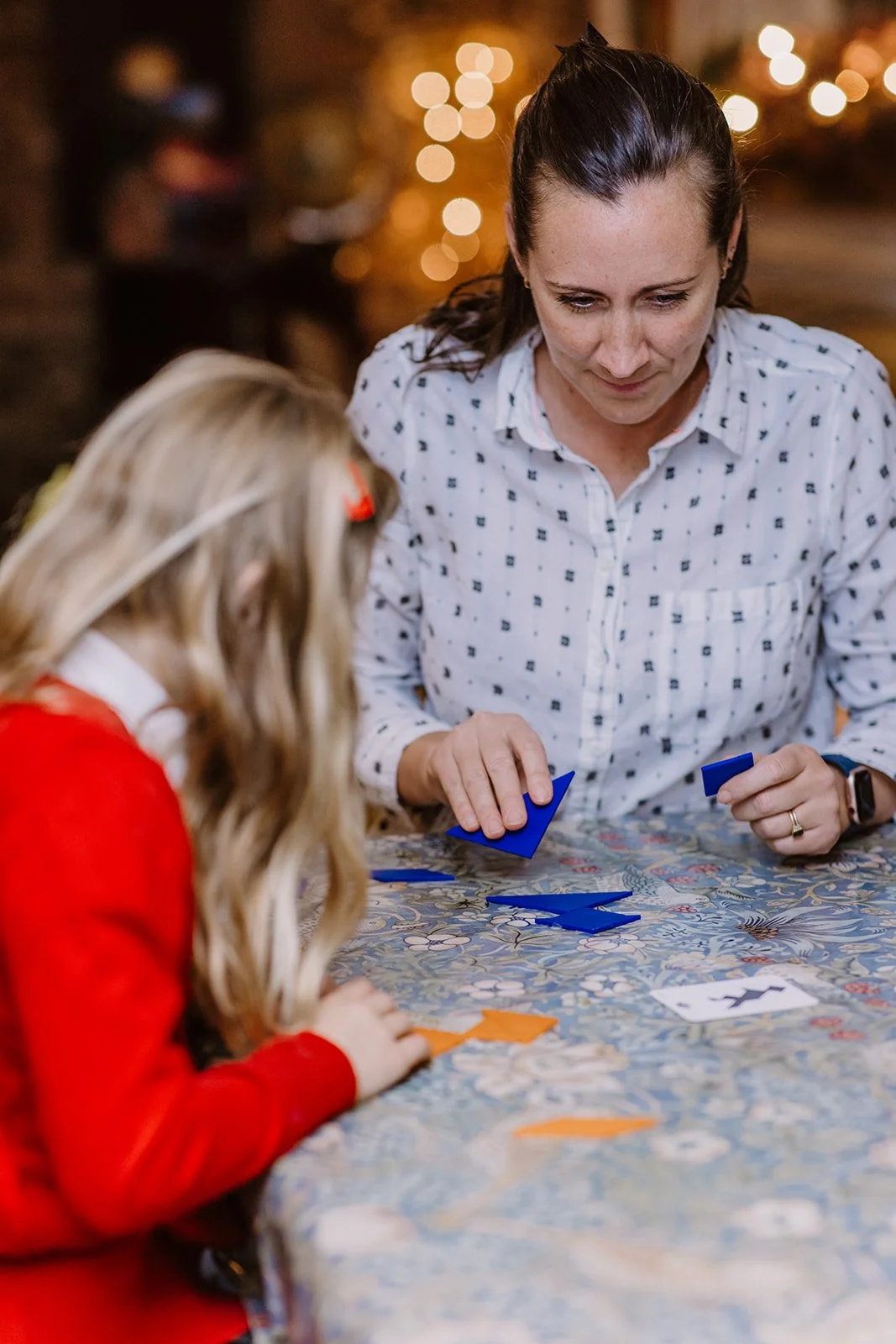

how I work with your child
I’ve worked with hundreds of children with dyslexia, dyspraxia, dysgraphia, ADHD and other learning differences. This means I can:
tailor lessons to your child’s specific profile and learning needs
understand the cognitive difficulties they may be experiencing (e.g. working memory, processing speed, attention)
support them to access the curriculum and build strategies they can use in the classroom and beyond
My lessons are always child‑led. We build on their interests and strengths, helping them regain confidence and a sense of agency over their learning. Instead of feeling like things are “done to” them, they begin to feel they have tools and choices they need to repair and rebuild their relationship with learning.
-
PARENT FEEDBACK
“We cannot thank Gemma enough for the work she did with our daughter Kaira over the past two years. Gemma has been encouraging, positive and fun; Kaira always looks forward to her lessons. But most importantly Gemma has helped improve both Kaira’s English and maths significantly; Kaira has become confident in all subjects and now belongs in the top of her class!”
-
PARENT FEEDBACK
“My daughter was lucky enough to have Gemma's support in English and maths during her time at junior school. Together, they would steadily go over topics covered in class, checking that everything had been understood. She benefitted hugely from Gemma's ideas to aid comprehension, strategies to help with maths problems and games to make learning fun. Gemma's caring approach and gentle encouragement increased my daughter's confidence no end and she has started senior school with a solid foundation in both subjects.”
-
PARENT FEEDBACK
“Gemma has provided our daughter with additional Maths and English lessons both in school, at home and on zoom, regularly over the past 2 years. These lessons with Gemma have helped enormously, as they have provided the much needed extra time and patience to consolidate her learning. Gemma's style of teaching and gentle approach has given Millie the confidence that she needed. Gemma has taken the time to really get to know her as a person and understand her specific learning needs. This has been instrumental in helping Millie to see her own strengths and to have a real desire to learn. I wouldn’t hesitate to recommend Gemma to any parent.”
training and experience
In 2010 I completed a two‑year diploma to teach and assess children with learning difficulties, and since then I’ve worked with hundreds of children with a wide range of learning needs.
Over the years I’ve learned a lot about myself too. As an adult with dyslexia, I know I feel most confident when I’m prepared, so planning is key for me. Visualising concepts, breaking things into clear steps, and doing big “brain dumps” onto paper are tools I use every day – and many of these same strategies are ones I share with the children and parents I work with.
In 2026, I began a Somatic Trauma‑Informed Coaching & Leadership Certification. In simple terms, this means I’m deepening my understanding of:
how the nervous system works (polyvagal foundations)
how early experiences can shape how safe we feel in learning environments
how attachment and safety affect our capacity to think, focus and remember
My main focus is on polyvagal theory and the nervous system, and how understanding your own and your child’s nervous system can transform the way you support learning and regulation at home – especially when using strategies between our sessions.
This work allows me to bring together:
specialist knowledge of learning differences
a child‑led, strengths‑based teaching approach
and a trauma‑informed, nervous‑system aware lens
so that both learning and emotional safety are at the heart of what we do.
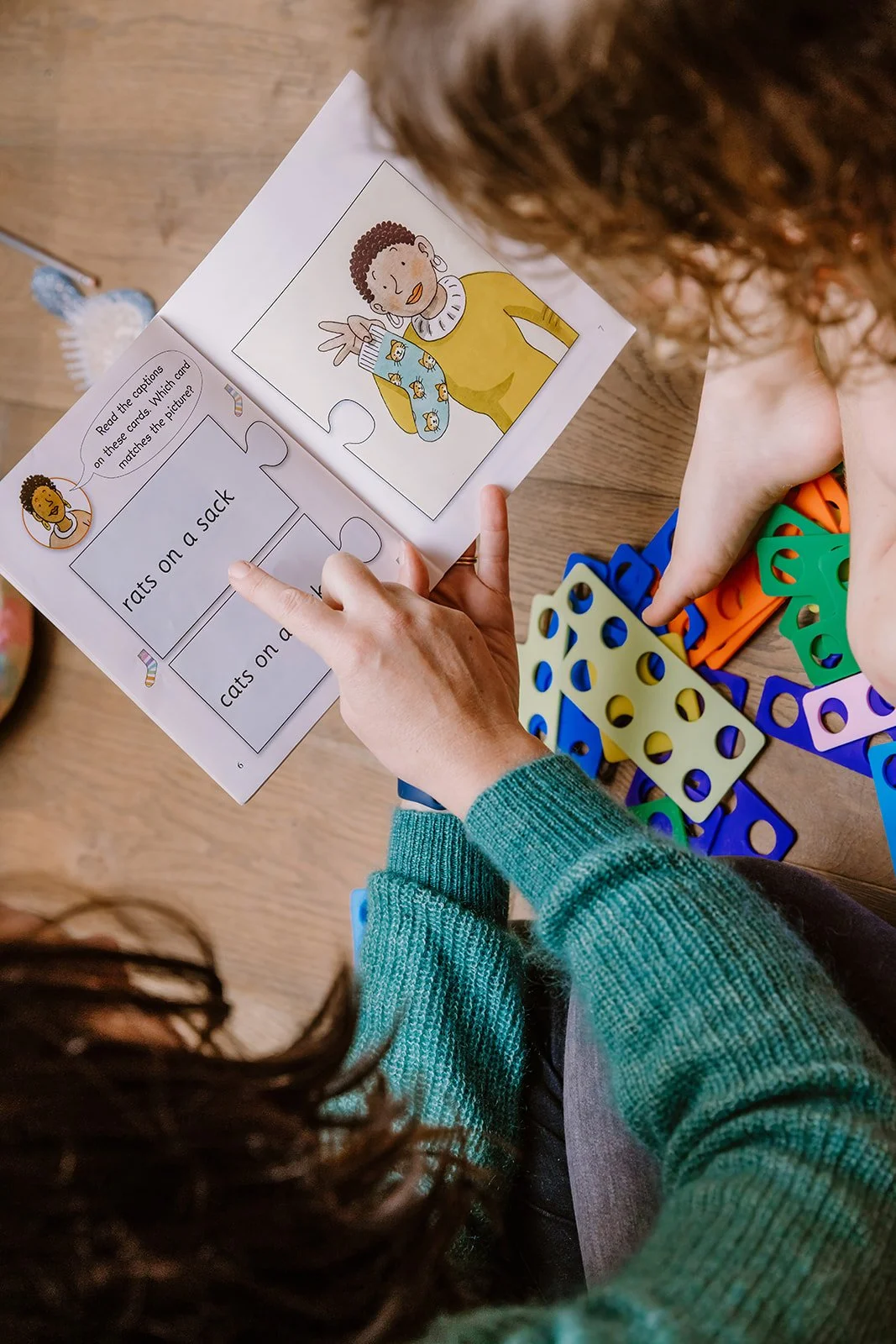
my specialisms
I have over ten years’ experience in:
Supporting and teaching children with dyslexia, dyspraxia, dysgraphia and ADHD
Diagnosing dyslexia – including suggesting access arrangements and providing clear recommendations for schools and parents
Identifying co‑occurring specific learning difficulties and signposting or referring on for further diagnosis when needed
Training teachers and other professionals to teach and assess children with dyslexia and other specific learning difficulties
Whether you’re at the “something just isn’t right” stage, or you’re holding a brand‑new assessment report and wondering what it all means, I can help you make sense of it and decide what to do next.
why I love what I do
The ultimate goal of my sessions is to give your child a strategies toolbox tailored to how they like to work – tools they can reach for when facing new concepts, tricky tasks or moments of self‑doubt.
But my work isn’t only about your child. I’m also here to support you as a parent: to share information and insight so you can understand your child’s way of working, and to offer practical ways to reinforce what they’re learning in our sessions at home.
When a child starts to trust their own mind again – and a parent feels less alone, more informed and more confident – that’s when everything begins to change.
what happens now?
If you’re curious about how I could support your child – whether they’re refusing to read, struggling with writing, or adjusting to a new diagnosis – I’d love to hear from you.
Please get in touch to book a free consultation. It’s a safe, non‑judgemental space to share what’s happening, explore what you’d like to be different, and see whether we’re the right fit to work together.
my qualifications & experience
A brief outline of my previous qualifications and experience is below. I also undertake continued professional development on various topics related to all SpLDs. Some recent examples are:
The Dyspraxia Learner - physical and literacy traits and strategies
Specific Learning Difficulties and Visual Difficulties
Reading and writing speeds and SpLD assessment
I am also a member of PATOSS - the professional association of teachers of students with specific learning difficulties.
Previous Qualifications and Experience
September 2013 – July 2014: Helen Arkell Dyslexia Centre
OCR Level 7 Diploma in Assessing and Teaching Learners with Specific Learning Difficulties (Dyslexia) – Awarded Distinction
September 2012 – July 2013: Helen Arkell Dyslexia Centre
OCR Level 5 Diploma in Teaching Learners with Specific Learning Difficulties (Dyslexia) – Awarded Distinction
St James Junior School
1:1 support for children with specific learning difficulties (ages 6-11)
The Fulham Study
providing 1:1 support for children with specific learning difficulties outside of school hours (ages 6-14)